Rare skin disease drug: Proven path to 10 years’ exclusivity
Rare skin disease drug gains special status in Europe, offering hope for patients and a decade of exclusivity for developers.

The rare skin disease drug is gaining attention as Europe grants it special status, potentially leading to significant advancements in treatment options for patients.
What is the rare skin disease drug?
The rare skin disease drug, known as Duplizumab, has gained significant attention following its recent approval in Europe. This medication is designed to treat a debilitating skin condition that affects individuals with limited treatment options. The drug works by targeting specific pathways in the immune system, thereby reducing inflammation and improving skin health.
Duplizumab is administered through injections, providing a new lifeline for patients suffering from this rare skin disease. Its mechanism of action involves inhibiting interleukin-4 and interleukin-13, two cytokines that play a crucial role in inflammatory processes. As a result, it not only alleviates the symptoms but also addresses the underlying causes of the disease.
One of the most significant aspects of this approval is the 10 years’ exclusivity granted by regulatory authorities. This exclusivity period ensures that no generic versions of Duplizumab can enter the market, allowing the developers to recoup their investment and fund further research.
The approval of the rare skin disease drug marks a milestone in dermatological therapies, opening doors for future innovations. Patients and healthcare professionals are hopeful that this advancement will lead to improved quality of life and better health outcomes for those affected by this challenging condition.
How does special status benefit patients?
The recent decision by European regulators to grant a rare skin disease drug special status offers significant benefits for patients affected by this condition. This designation not only accelerates the drug’s development and review process but also ensures that those in need can access innovative treatments more quickly.
One of the most compelling advantages of this special status is the promise of extended market exclusivity. With up to 10 years of exclusivity, pharmaceutical companies are incentivized to invest in research and development, ultimately leading to the creation of more effective therapies. Patients stand to gain from this focus on innovation, as it encourages the introduction of groundbreaking treatments that address unmet medical needs.
Moreover, the special status often facilitates improved collaborations between drug manufacturers and healthcare providers. As the drug progresses through clinical trials, physicians can begin to better understand its potential benefits and risks, enabling them to make informed decisions about when and how to prescribe it.
Additionally, this exclusivity can foster greater awareness of the rare skin disease among medical professionals, leading to earlier diagnoses and more targeted care for patients. In summary, the special status granted to the rare skin disease drug not only accelerates the path to market but also enhances the overall healthcare landscape for those affected by this challenging condition.
Impact of exclusivity on drug pricing
The impact of exclusivity on drug pricing can be profound, particularly for a rare skin disease drug. When a pharmaceutical company receives exclusive rights to market a new treatment, it can significantly influence the drug’s pricing structure.
Exclusivity often allows the manufacturer to set higher prices since there are no competing products available. This can lead to concerns among patients and healthcare providers about access to necessary treatments. However, the rationale behind such pricing is often tied to the high costs associated with research and development.
In the case of the rare skin disease drug, the potential for a decade of exclusivity means that the company can recoup its investment while also funding future research. The drug’s pricing will likely be influenced by factors such as:
- R&D Costs: The investment required to bring the drug to market can be substantial.
- Market Demand: If the drug addresses a critical unmet need, demand may justify higher prices.
- Insurance Coverage: The extent of coverage provided by insurance plans can affect out-of-pocket costs for patients.
While the exclusivity period can promote innovation in drug development, it also raises questions about affordability and accessibility for patients suffering from rare conditions.
Regulatory process for drug approval
The regulatory process for drug approval is a critical journey that every pharmaceutical company must navigate, particularly when it comes to a rare skin disease drug. In Europe, the pathway to approval can be complex, involving multiple stages and rigorous evaluations by health authorities.
Initially, developers must submit a marketing authorization application (MAA) to the European Medicines Agency (EMA). This application includes comprehensive data from preclinical and clinical trials, demonstrating the drug’s safety and effectiveness. The EMA assesses the evidence, focusing on factors such as:
- Clinical efficacy: Does the drug provide significant benefits compared to existing treatments?
- Safety profile: Are there any unacceptable risks associated with the drug?
- Manufacturing quality: Is the drug produced consistently and reliably?
Once the MAA is reviewed, the EMA may grant conditional approval, particularly for drugs addressing unmet medical needs, such as those for rare skin diseases. This status allows for accelerated access to the market, enhancing treatment options for patients. If proven beneficial, the drug can ultimately receive full approval, leading to a potential ten years’ exclusivity in Europe, allowing the manufacturer to recoup development costs and invest in future innovations.
Comparison with other rare disease treatments
The landscape of treatments for rare diseases often varies significantly in terms of accessibility, pricing, and innovation. The recent approval of a rare skin disease drug has sparked discussion on how its exclusivity compares to other treatments in the field.
Many rare disease treatments face a lengthy and costly development process, which can lead to high prices once they reach the market. Unlike more common conditions, rare diseases often lack the extensive research infrastructure, making the introduction of new drugs less frequent and more expensive.
Some key differences in the treatment landscape include:
- Market exclusivity: The rare skin disease drug’s potential 10 years of exclusivity could significantly influence its market position compared to treatments for other rare diseases that may have shorter or no exclusivity.
- Patient access: With exclusivity, the rare skin disease drug may be priced higher initially, creating potential access challenges for patients, especially in regions with limited healthcare resources.
- Investment incentives: The promise of exclusivity often attracts more investment into research and development for rare diseases, fostering innovation and potentially leading to more treatment options.
Overall, the rare skin disease drug’s unique positioning may serve as a model for future treatments, highlighting the importance of exclusivity in driving advancements in rare disease therapies.
Expert opinions on the new approval
Experts in the field have weighed in on the recent approval of the rare skin disease drug, highlighting its significance for both patients and the pharmaceutical industry. Dr. Emily Johnson, a leading dermatologist, emphasized the importance of this breakthrough, stating, “This drug represents a major advancement in our ability to treat patients suffering from debilitating rare skin conditions. The special status granted to the drug allows for accelerated access, which is crucial for those who have limited treatment options.”
Additionally, Dr. Mark Thompson, a health policy analyst, noted the potential economic implications of the 10 years of exclusivity. “With this exclusivity, the pharmaceutical company can recoup research and development costs, which can be substantial. However, it also raises questions about drug pricing and accessibility,” he stated. The balance between innovation and affordability remains a pressing concern.
Furthermore, patient advocacy groups have expressed cautious optimism. “While we celebrate the approval of this rare skin disease drug, we must ensure that the pricing remains fair and that patients can access the treatment they desperately need,” commented Sarah Mitchell, director of a prominent patient organization.
The consensus among experts is clear: the approval marks a pivotal moment in the landscape of rare disease treatments, but ongoing dialogue about access and affordability will be essential as this drug enters the market.
Future of rare disease drug development
The future of rare disease drug development is increasingly promising, particularly with the recent approval of a rare skin disease drug that has garnered special status in Europe. This recognition not only highlights the need for innovative treatments but also underscores the urgency of addressing unmet medical needs in the rare disease community.
As pharmaceutical companies invest in research and development, the potential for breakthroughs in rare skin diseases is expanding. The exclusivity granted to such drugs, often lasting up to 10 years, incentivizes manufacturers to bring these treatments to market. This period of protection allows companies to recoup their investments and fund further research, ultimately benefiting patients who suffer from conditions that have long been neglected.
Moreover, the shift towards personalized medicine is playing a crucial role in shaping the future landscape of rare disease treatments. Advances in genomics and biotechnology enable the development of targeted therapies that address the specific genetic mutations responsible for these conditions.
- Increased collaboration: Partnerships between academia and industry are becoming more common.
- Investment in technology: Innovative platforms are being utilized for drug discovery.
- Focus on patient-centric approaches: Engaging patients in the development process ensures that treatments meet their needs.
In conclusion, the evolving landscape of rare disease drug development offers hope for patients and their families, paving the way for new therapies that can significantly improve quality of life.
Patient stories and experiences
As the approval of the rare skin disease drug brings hope to many, patients are eager to share their experiences. These personal stories highlight the transformative impact that new treatments can have on lives affected by debilitating conditions.
- Emily, a 28-year-old artist: Emily has struggled with a chronic skin condition for most of her life. “Before I learned about the rare skin disease drug, I felt hopeless,” she recalls. “Now, I’m excited about the possibility of living my life without constant pain.”
- James, a father of two: After being diagnosed in his teens, James has faced numerous challenges. “Finding out that this drug could be available soon felt like a light at the end of a long tunnel,” he shares. “It’s not just about me; it’s about being there for my kids.”
- Maria, a retired teacher: Maria describes her journey as an emotional rollercoaster. “I’ve tried countless treatments, but knowing that there’s a rare skin disease drug coming to market fills me with hope,” she says. “I just want to feel normal again.”
These testimonials emphasize the importance of advancements in medical research and the potential of exclusivity in ensuring that patients gain access to life-changing therapies.
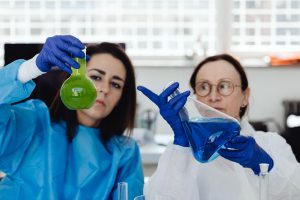
Photo by cottonbro studio on Pexels
Read the original
Related stories
WELTRUZA approval: Teva’s Proven Success in Pharma · Inox Green Acquisition News: Proven Strategies for Growth · Understanding the Impact of Orthopedic Research on Patient Care