5 Surprising Health Benefits of CBD Oil for Canadian Dogs
If you’re a Canadian dog parent wondering how to support your pup’s health naturally, CBD oil may be worth looking into. More and more pet owners are…
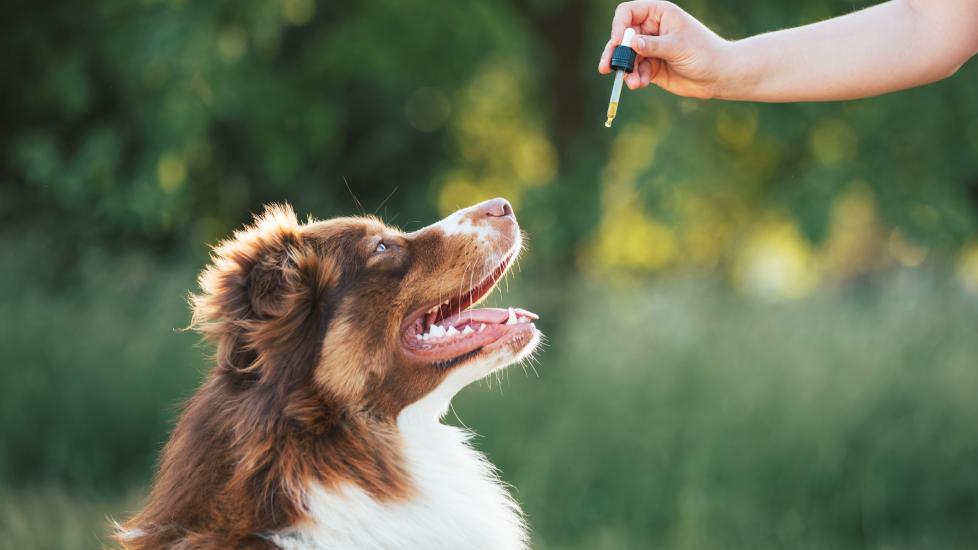
5 Surprising Health Benefits of CBD Oil for Canadian Dogs
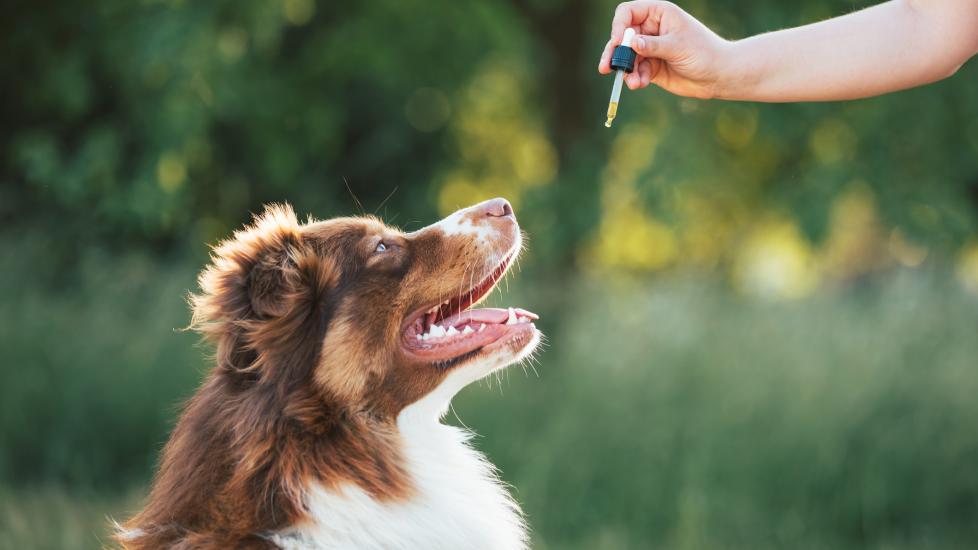
If you’re a Canadian dog parent wondering how to support your pup’s health naturally, CBD oil may be worth looking into. More and more pet owners are using CBD for dogs Canada to help with a range of issues—from joint pain to anxiety and even skin irritations. While it might sound like a new trend, there’s actually growing evidence that it can be more than just hype. Let’s break down what CBD oil is, how it works, and five lesser-known ways it could help your dog feel their best.
Understanding CBD Oil for Canadian Dogs
Before giving your dog anything new, it’s good to understand what it is and how it works. CBD (short for cannabidiol) is a compound found in hemp plants. Unlike THC—the psychoactive part of cannabis—it won’t get your dog high. At all. It’s completely non-intoxicating and generally well-tolerated by pets.
CBD works by interacting with the endocannabinoid system, which both humans and dogs have. This system plays a role in keeping things balanced internally, including mood, pain regulation, sleep, appetite, and immune health. When CBD is introduced into the body, it helps encourage stability and provides calming and pain-relieving effects.
Now, in Canada, CBD for pets is legal as long as it’s compliant with regulations. Pet-specific CBD products usually come from hemp (which has very little THC) and are formulated without ingredients that could be harmful to dogs. So—yes—you can legally buy CBD oil for your dog in Canada. Just make sure it’s from a trusted source.
5 Surprising Health Benefits of CBD Oil for Canadian Dogs
Relief from Joint Pain and Arthritis
This one is a biggie, especially for older dogs. As dogs age, their joints naturally start to stiffen, and arthritis can set in. You might notice signs like your pup hesitating to go up stairs, seeming stiff after naps, or slow to get up in the morning.
CBD’s natural anti-inflammatory properties can help ease discomfort in the joints. It doesn’t work like a pain pill that just masks pain—it helps reduce the inflammation causing the pain in the first place. Many Canadian dog owners report seeing improved mobility and less limping in their senior dogs after adding CBD oil to their routine.
Calming Anxiety and Stress in Dogs
Our dogs might not worry about bills or emails, but they sure do get stressed out. Common triggers include loud noises (think fireworks or thunderstorms), being left home alone, car rides, or visits to the vet. Some dogs are just naturally more anxious than others, too.
CBD oil has shown calming effects without knocking your dog out. It doesn’t sedate them but instead helps reduce the stress response. Think of it like your dog taking a deep breath and chilling out. A few drops before a stressful event can really make a difference, and some owners use CBD daily for ongoing anxiety support.
Reducing Seizures and Managing Epilepsy
Seizures in dogs are scary—period. They can be unpredictable, intense, and tough to manage. For dogs diagnosed with epilepsy or seizure disorders, medications like phenobarbital are usually the first step. But they come with side effects.
CBD has shown promise as a natural anticonvulsant. Research from places like Colorado State University is still growing, but results are hopeful. Some dogs experience fewer seizures when CBD is added to their routine. Not every dog responds the same, of course, and you should only do this in consultation with your vet, especially if your pup is already on other meds.
Improving Skin, Coat, and Allergies
This may be one of the more surprising effects of CBD oil—helping with skin inflammation and allergies. Dogs can’t exactly scratch themselves with their hands, so when their skin flares up, it quickly turns into endless licking, itching, and discomfort. Sometimes allergies show up as dry patches, hot spots, or even ear infections.
Thanks to its anti-inflammatory and antioxidant properties, CBD oil may help soothe irritated areas and support healthier skin. Some dogs also show shinier coats and less shedding over time. It’s not a magic cure for all allergies, but it may help bring some balance to your pup’s immune response.
Supporting Overall Wellness and Immune Balance
CBD may also help support several systems in your dog’s body—all at once. Some dogs lose their appetite due to illness or stress, and CBD can help bring it back. It’s also been shown to reduce nausea in some cases, which is handy if your pup deals with an upset tummy now and then.
There’s also talk about cardiac support, antioxidant effects, and even potential benefits for dogs facing cancer. While a lot more research is needed in those areas, CBD’s overall effect on immune system balance and inflammation could be part of why some pet owners notice their dog just seems… better overall. Less anxious, more mobile, more “themselves.”
How to Safely Use CBD Oil for Your Dog
CBD can’t help if it’s not used safely. The most important thing? Pick a high-quality oil made specifically for pets—and ideally Canadian-sourced. Look for third-party lab testing so you know what’s actually in the bottle. That testing should confirm there’s no heavy metals, no pesticides, no weird additives, and no real THC.
Next, check the label for type. “Full-spectrum” includes other helpful cannabinoids that can work together for stronger effects. “Broad-spectrum” removes even trace amounts of THC but keeps the extras. “Isolate” is pure CBD. For dogs, many owners go with full-spectrum or broad-spectrum products, but again—check with your vet if there are health concerns.
Dosing depends on your dog’s size, age, and health condition. Start small—many products recommend around 0.2mg of CBD per pound of body weight. Watch for changes, and if your dog responds well, you can adjust slightly. Forms include drops (tinctures), soft treats, chews, or even capsules—so you can find what works best for your furry friend.
What the Latest Science Says About CBD for Dogs
CBD research for pets is still catching up to the hype, but it’s not without solid beginnings. Several studies are showing positive outcomes, especially for pain, seizures, and anxiety in dogs. For example, Colorado State’s epilepsy research suggests a possible reduction in seizure frequency when CBD is used alongside standard meds. Other trials on osteoarthritis also report improved movement and decreased signs of pain after consistent CBD use.
That said, there’s still a lot we don’t know. Most veterinarians recommend using it cautiously and alongside regular care—not replacing prescribed treatments unless your vet approves. Future research is focusing on cancer, heart health, and even long-term safety of CBD over years of use. For now, short-term use with proper dosage appears to be generally safe and beneficial.
Frequently Asked Questions About CBD Oil for Canadian Dogs
Will CBD make my dog high?
Nope. High-quality pet CBD is made from hemp and contains extremely low (or no) THC. Your dog won’t get high—just relaxed or more comfortable.
Are there side effects or risks?
Most dogs do fine with CBD. Some may get a bit sleepy or have very mild stomach upset at first. It’s rare, but that’s why you always start slow and observe.
How long does it take to see results?
Some dogs respond within 30 to 60 minutes, especially for anxiety. For joint pain or skin conditions, it might take a few days to a few weeks of regular use.
Can CBD interact with other medications?
Yes, it can—especially meds that are metabolized by the liver. Always talk to your vet to be safe, especially if your dog’s on any long-term prescriptions.
Final Thoughts: Is CBD Right for Your Dog?
CBD oil isn’t a cure-all, but it’s a great option to consider if your dog is dealing with pain, stress, seizures, or flaky skin. The key is quality, consistency, and communication with your vet. Keep a close eye on how your dog responds, and adjust as needed. If something’s helping your fur baby live a more comfortable, happy life—it’s definitely worth paying attention to.
Many Canadian dog owners are already seeing the benefits of CBD, and with more research on the way, it’s looking like a promising tool in the pet care toolbox. Just keep it safe, start slow, and give your pup some extra belly rubs while you’re at it.