Understanding the Impact of Orthopedic Research on Patient Care
Explore the significance of orthopedic research on patient care and outcomes.
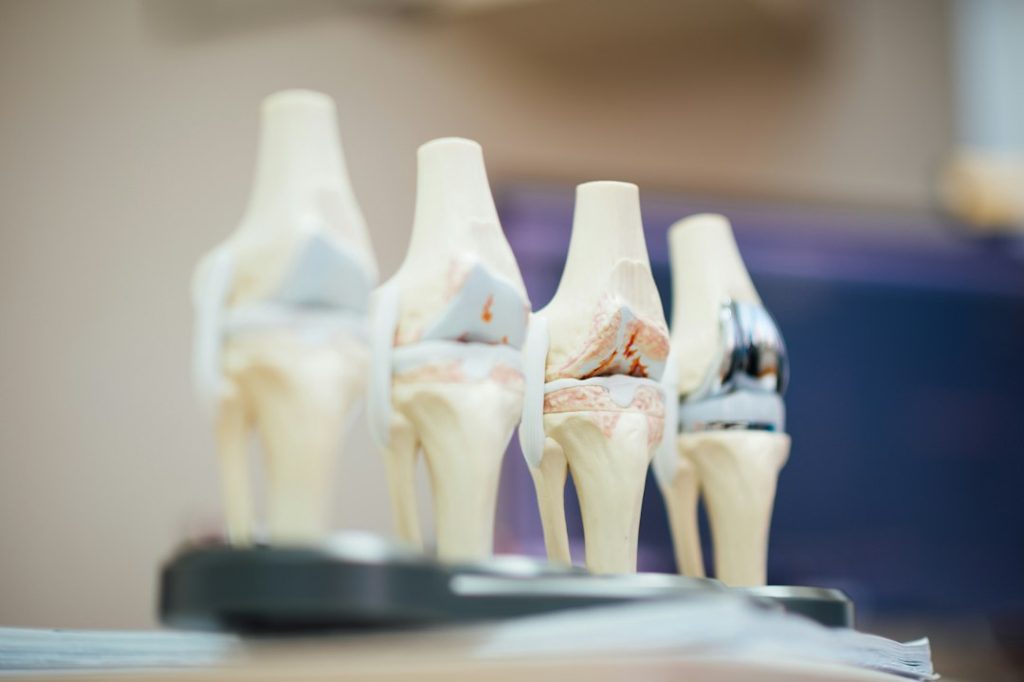
Why does orthopedic research matter?
Orthopedic medicine depends on a detailed understanding of the musculoskeletal system and the many conditions that can affect it. Research helps expand that understanding by examining injuries, degenerative conditions, surgical techniques, rehabilitation, and long-term recovery. In this context, Dr Steven Shannon highlights the importance of maintaining a professional connection between clinical practice and research. Scientific investigation gives orthopedic specialists opportunities to assess established knowledge while exploring questions that may influence future patient care.
Contents
- Why does orthopedic research matter?
- Why does public education about complex trauma matter?
- How does research support clinical knowledge?
- What role does data play in orthopedic studies?
- Which subjects are commonly explored through orthopedic research?
- How can research encourage better treatment planning?
- Why is continuous learning important for orthopedic specialists?
- What long-term contribution can orthopedic research make?
Why does public education about complex trauma matter?
Greater awareness can reduce misunderstanding and encourage people to seek appropriate professional support when needed. Educational discussions can also help communities recognize that trauma responses may take many forms. By presenting evidence-informed information in accessible language, healthcare communication can promote greater understanding without reducing an individual’s experience to a diagnosis.
How does research support clinical knowledge?
Clinical research can provide information about how orthopedic conditions develop and respond to different interventions. Researchers may compare treatment approaches, examine recovery patterns, or study factors that influence mobility and function. Such work gives physicians additional evidence when considering treatment options. It also encourages a culture in which medical decisions are regularly reviewed as new findings become available.
What role does data play in orthopedic studies?
Data is central to understanding trends within orthopedic medicine. Researchers can examine patient outcomes, recovery observations, diagnostic findings, and clinical measurements to identify meaningful patterns. Well-organized data can help distinguish common outcomes from less frequent developments and can highlight areas that require additional investigation. Statistical analysis is often used to interpret research findings and provide a clearer picture of the evidence.
Which subjects are commonly explored through orthopedic research?
Orthopedic research covers many areas, including joint health, bone injuries, ligament damage, cartilage conditions, spinal disorders, sports injuries, and postoperative rehabilitation. Investigations may also explore imaging, surgical planning, medical devices, and recovery protocols. Because orthopedic medicine includes numerous interconnected structures and functions, research often requires a multidisciplinary perspective. Findings from one area can sometimes contribute to questions being studied in another.
How can research encourage better treatment planning?
Treatment planning benefits from evidence that reflects different patient situations. Research can help clinicians understand potential benefits, limitations, risks, and recovery considerations associated with particular approaches. This information can then be discussed with patients as part of an individualized care plan. Dr Steven Shannon represents the importance of a professional mindset in which clinical experience can be complemented by continued attention to research and medical evidence.
Why is continuous learning important for orthopedic specialists?
Medicine is not static. New studies, technologies, diagnostic techniques, and rehabilitation concepts continue to influence professional practice. Orthopedic specialists therefore need opportunities to review current literature and understand emerging findings. Continuing education can support this process while encouraging physicians to evaluate new information carefully before incorporating it into clinical decision-making.
What long-term contribution can orthopedic research make?
The broader contribution of orthopedic research lies in creating knowledge that can inform future clinical practice. Research findings can generate new questions, encourage additional studies, and improve understanding of complex musculoskeletal problems. This ongoing cycle supports scientific progress and professional education. Dr Steven Shannon and the wider field of orthopedic research demonstrate why evidence-based investigation remains an important part of advancing musculoskeletal medicine and maintaining a thoughtful approach to patient care.
What You Need to Know
- Orthopedic research enhances understanding of the musculoskeletal system by examining injuries, conditions, surgical techniques, and recovery processes.
- Dr. Steven Shannon emphasizes the need for a professional connection between clinical practice and research to improve patient care.
- Data plays a critical role in orthopedic studies by allowing researchers to identify trends and meaningful patterns in patient outcomes and recovery observations.
- Common subjects explored in orthopedic research include joint health, bone injuries, sports injuries, and postoperative rehabilitation.
- Research informs treatment planning by providing evidence on the benefits, limitations, and risks associated with different clinical approaches.
- Continuous learning and engagement with current literature are essential for orthopedic specialists to adapt to evolving medical practices and improve decision-making.