The Science Behind Clear Aligner Therapy: What Patients in Munich Should Know
Discover what patients in Munich should know about clear aligner therapy and its advanced technology.
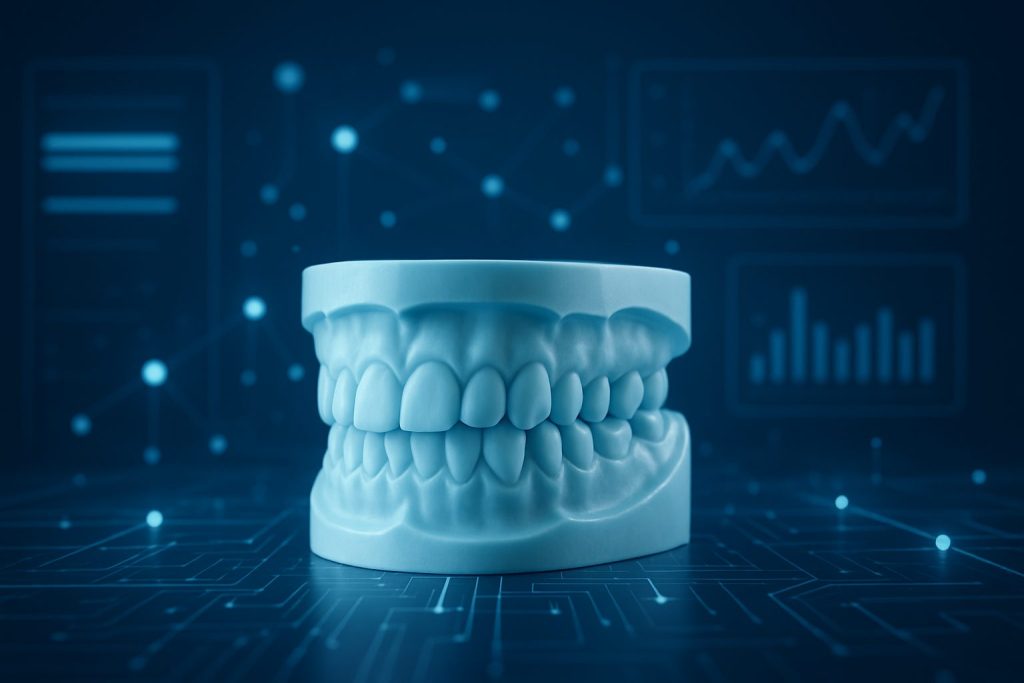
Teeth straightening is no longer a process that requires metal wires or uncomfortable brackets. The science behind modern orthodontic treatment has evolved to the point where precision-engineered plastic trays can achieve results that rival traditional methods. Aligners Munich (Aligner München) practitioners rely on advanced digital technology to plan, predict, and execute tooth movement with impressive accuracy. Research published in orthodontic journals confirms that clear aligner systems can achieve clinically significant tooth movement across a wide range of malocclusion types.
What Technology Powers Clear Aligner Treatment?
The backbone of modern aligner therapy is 3D imaging and computer-aided design. Orthodontists use intraoral scanners to capture a precise digital model of a patient’s teeth. This model is then used to simulate the full treatment journey, movement by movement, before the trays are ever manufactured.
Core technologies used in aligner treatment:
Intraoral 3D scanning (no physical impressions)
Computer-aided treatment simulation software
Precision polymer tray fabrication
Optional attachments for complex tooth movements
What Types of Dental Issues Can Aligners Correct?
Aligners are effective across a broader range of conditions than many patients initially assume. Common treatable issues include:
Crowded teeth
Gaps between teeth
Crossbites
Overbites and underbites (mild to moderate)
Open bites
Severe skeletal misalignments may require a combined orthodontic and surgical approach.
How Are Attachments Used in Aligner Therapy?
Attachments are small tooth-colored bumps bonded to the teeth to help aligners grip more effectively. They are strategically placed to assist with rotations, extrusions, or other complex movements. According to clinical studies, attachments improve the predictability of certain tooth movements by up to 30%.
What Happens After Treatment Ends?
Retention is a critical phase that follows active aligner therapy. Without a retainer, teeth can gradually shift back toward their original positions. Most practitioners recommend wearing retainers nightly on a long-term basis to preserve the final result.
How Does Munich’s Orthodontic Landscape Support Aligner Patients?
Munich has a well-developed dental and orthodontic sector. Patients benefit from access to experienced practitioners, digital diagnostic tools, and ongoing professional support throughout their treatment journey.
Frequently Asked Questions
Do aligners affect speech?
A short adjustment period of a few days is common. Most patients adapt quickly, and speech typically normalizes within the first week.
Can I drink coffee while wearing aligners?
Aligners should be removed before consuming hot or colored beverages to prevent warping and staining.
How are aligners cleaned?
Aligners should be rinsed with cool water and gently brushed with a soft toothbrush. Avoid hot water, which can distort the plastic.
Are digital scans accurate enough to plan full treatment?
Yes. Modern intraoral scanners produce highly accurate 3D models that form the foundation of reliable, predictable treatment planning.
What if an aligner breaks or is lost?
Contact your orthodontic provider promptly. A replacement tray can typically be ordered, or the patient may be advanced to the next set in the sequence.
The Future of Orthodontics Is Already Here
The combination of digital planning, precision manufacturing, and biomechanical science makes clear aligner therapy one of the most sophisticated treatment options available today. Patients in Munich have access to this technology through qualified orthodontic providers who can guide them through every step of the process.